
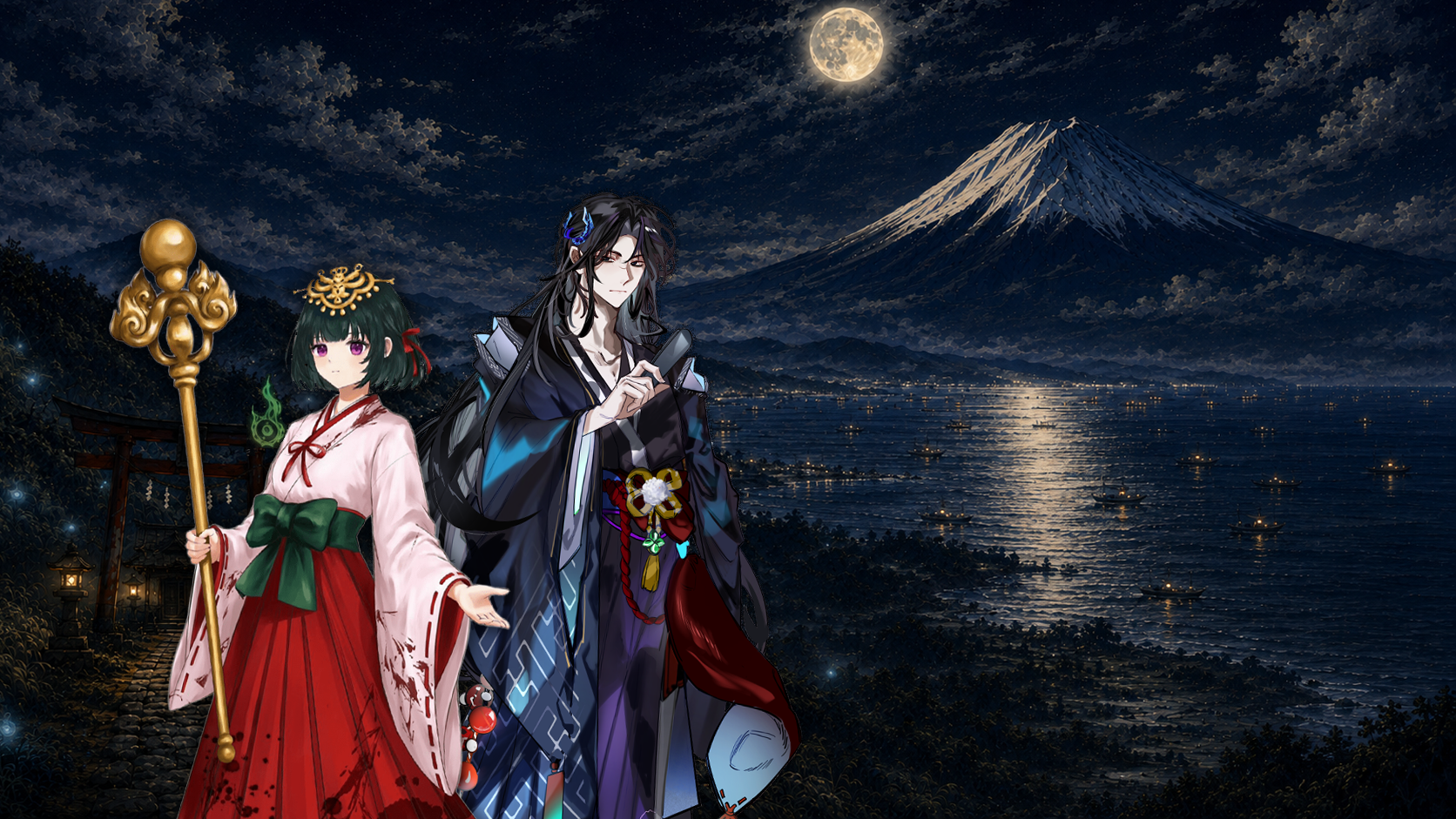
《Revenant of Tsushima 津島・魂鬼》
Revenant of Tsushima is not only a ghost-capturing horror game. It is a pilgrimage through fractured divinity, forgotten rituals, and spirits shaped by the places that failed to remember them…
“When the Nine Seals break, the forgotten shall walk once more.....”
Revenant of Tsushima is a first-person supernatural exploration adventure set along a haunted vision of the old Tōkaidō.
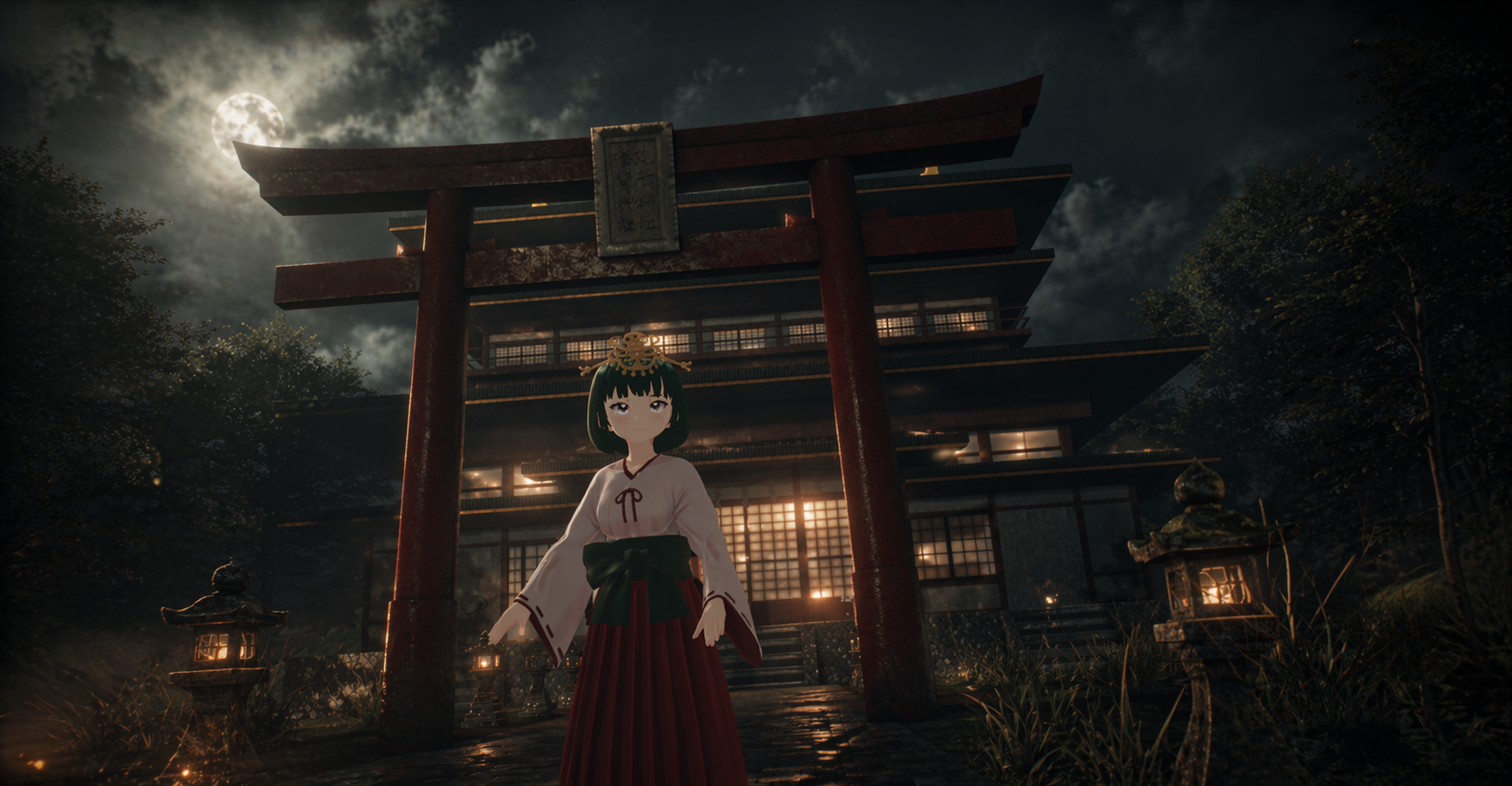
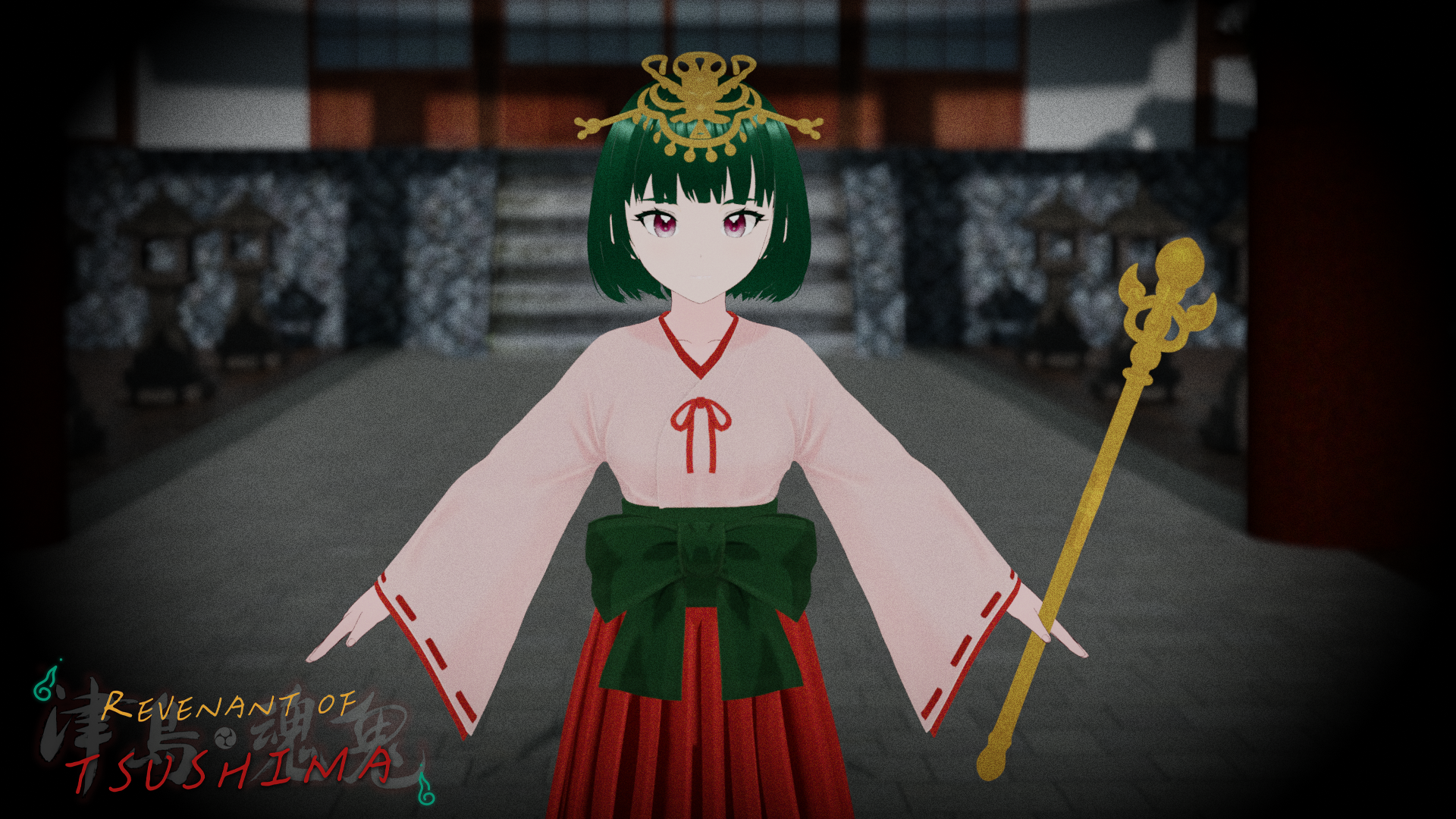
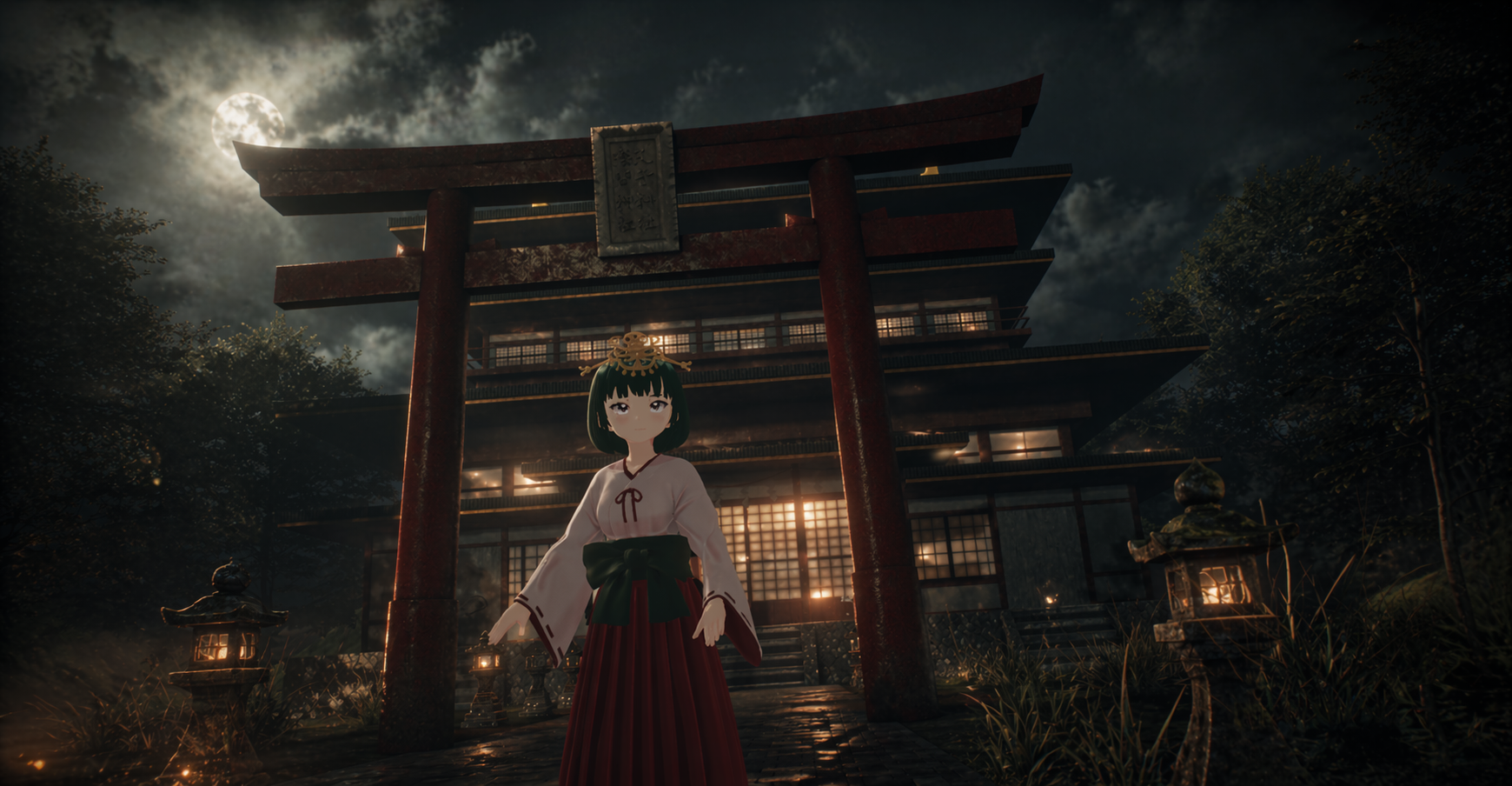
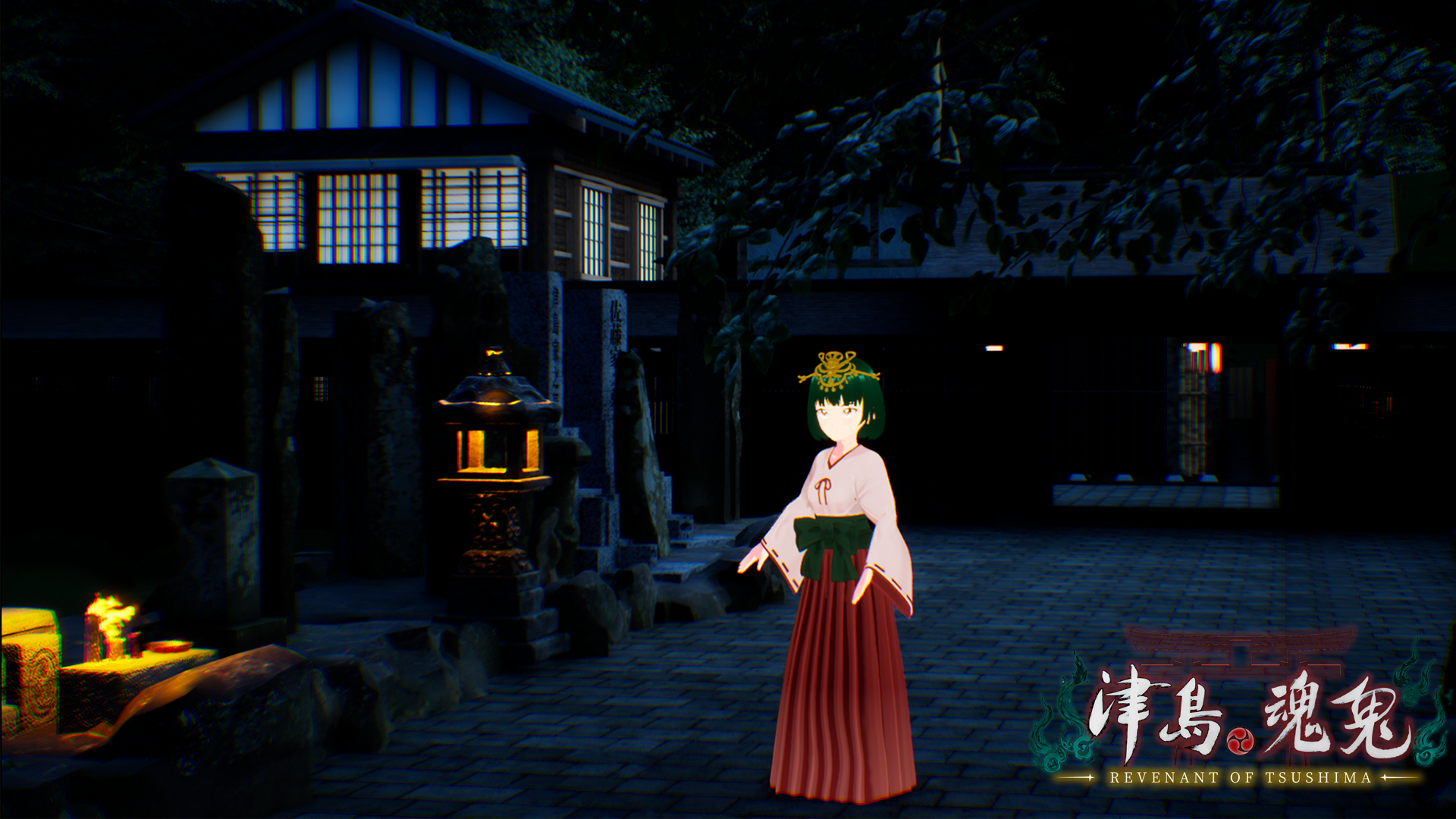
You play as Tsushima Mewa, an ancient shrine maiden awakened centuries after a failed sealing ritual.
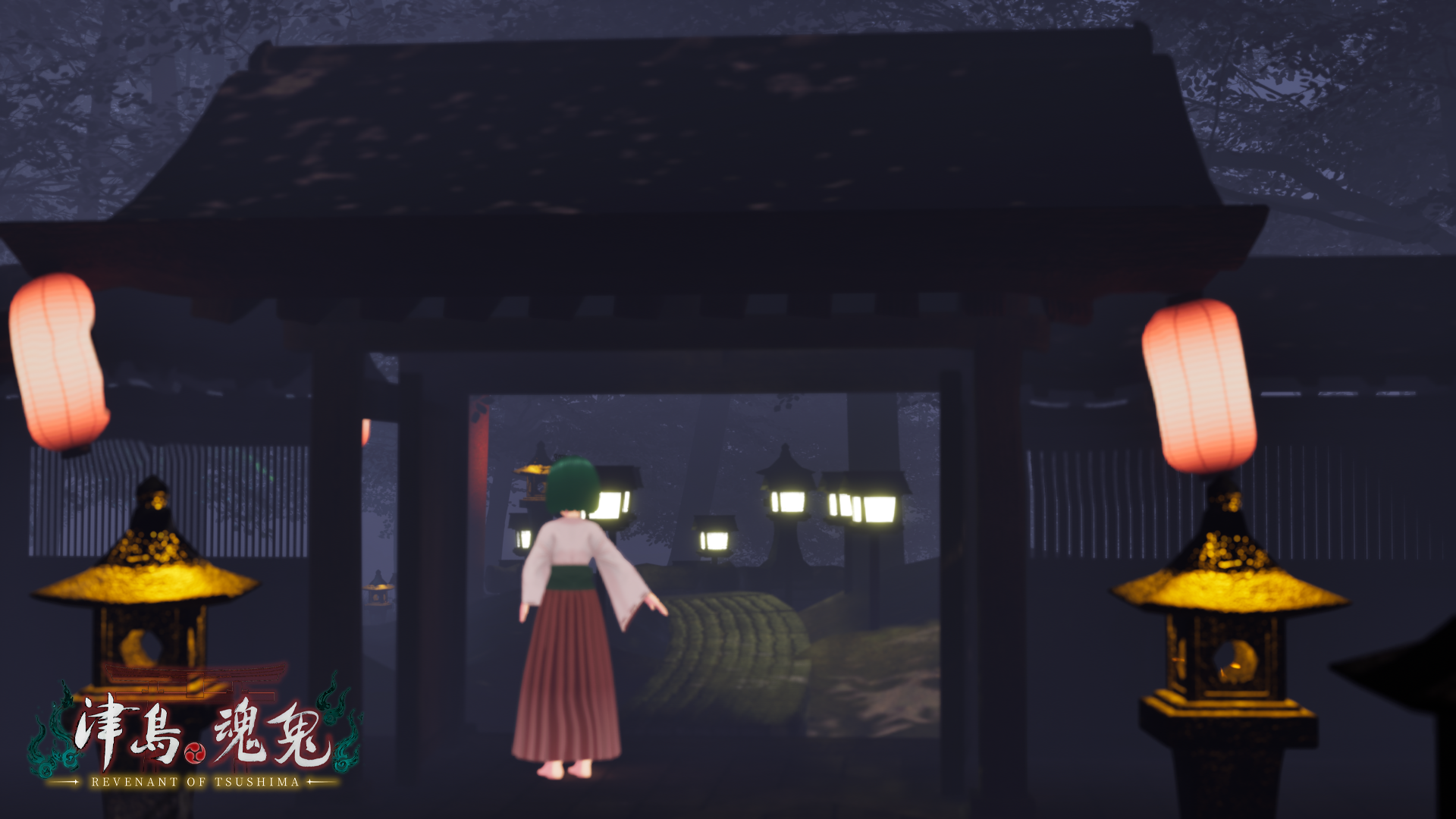
Guided by Tojo Seishi, a young onmyoji, and carried along the road by a silent spiritual ox, Mewa begins a spirit-guiding pilgrimage through broken shrines, forgotten villages, mountain passes, and places where the living and the dead overlap.
Use Ether Sight to perceive spiritual traces and memory fragments, perform sealing rituals to cleanse restless spirits, and uncover the truth behind the failed ritual that shattered the Nine Seals.
At its heart, Revenant of Tsushima is a story about divine collapse, lost memory, and the struggle between becoming a vessel of godhood or returning to human emotion.
Core Experience
A first-person spirit-guiding pilgrimage through broken roads, forgotten shrines, and unresolved souls.
Purify the Forgotten
Use sacred light to weaken restless spirits, draw them into ritual circles, and seal them through rites of repose.
Spirits are not enemies to defeat, but unresolved presences to understand, cleanse, and lay to rest.
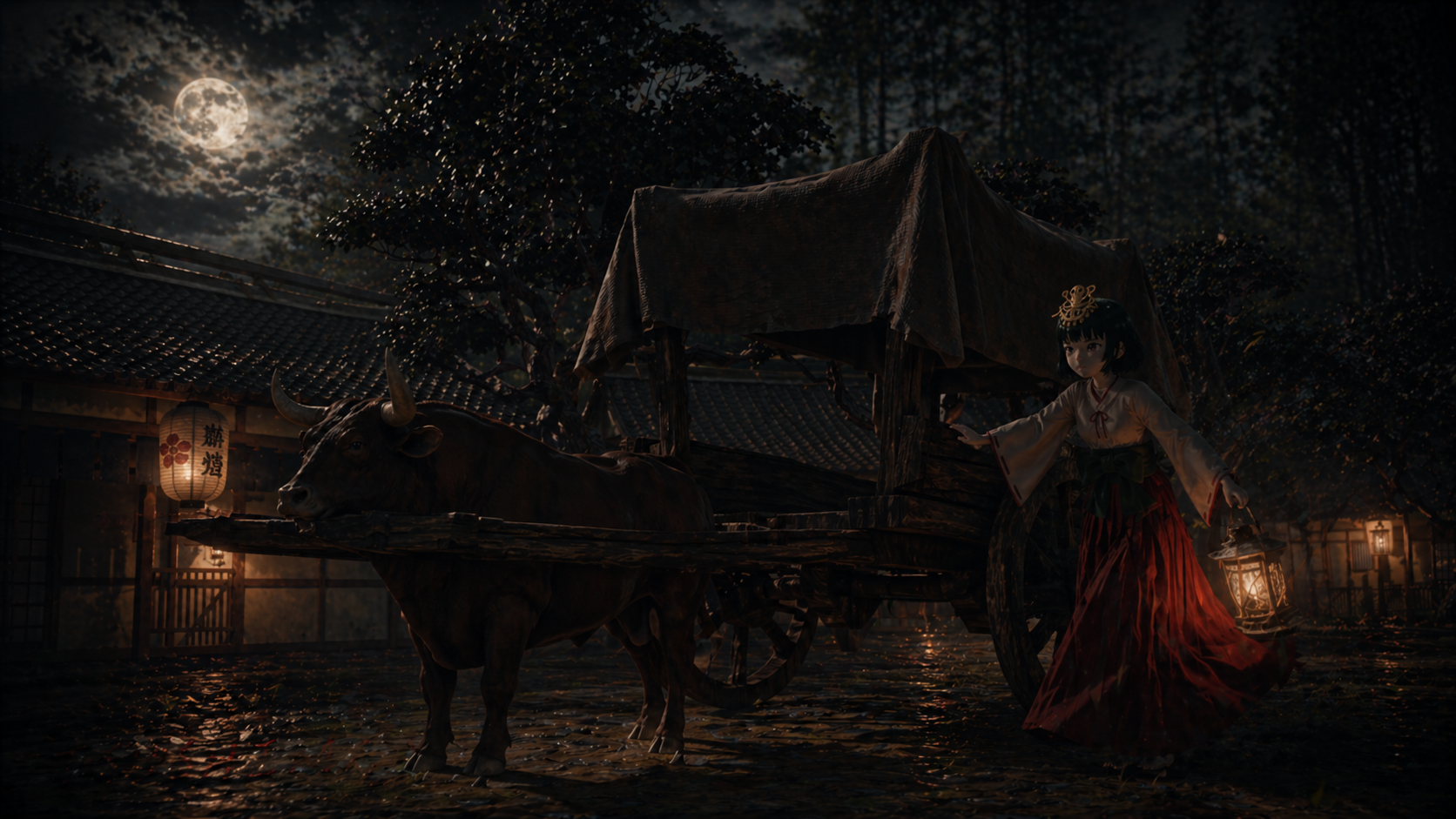
Travel by Haunted Ox-Cart
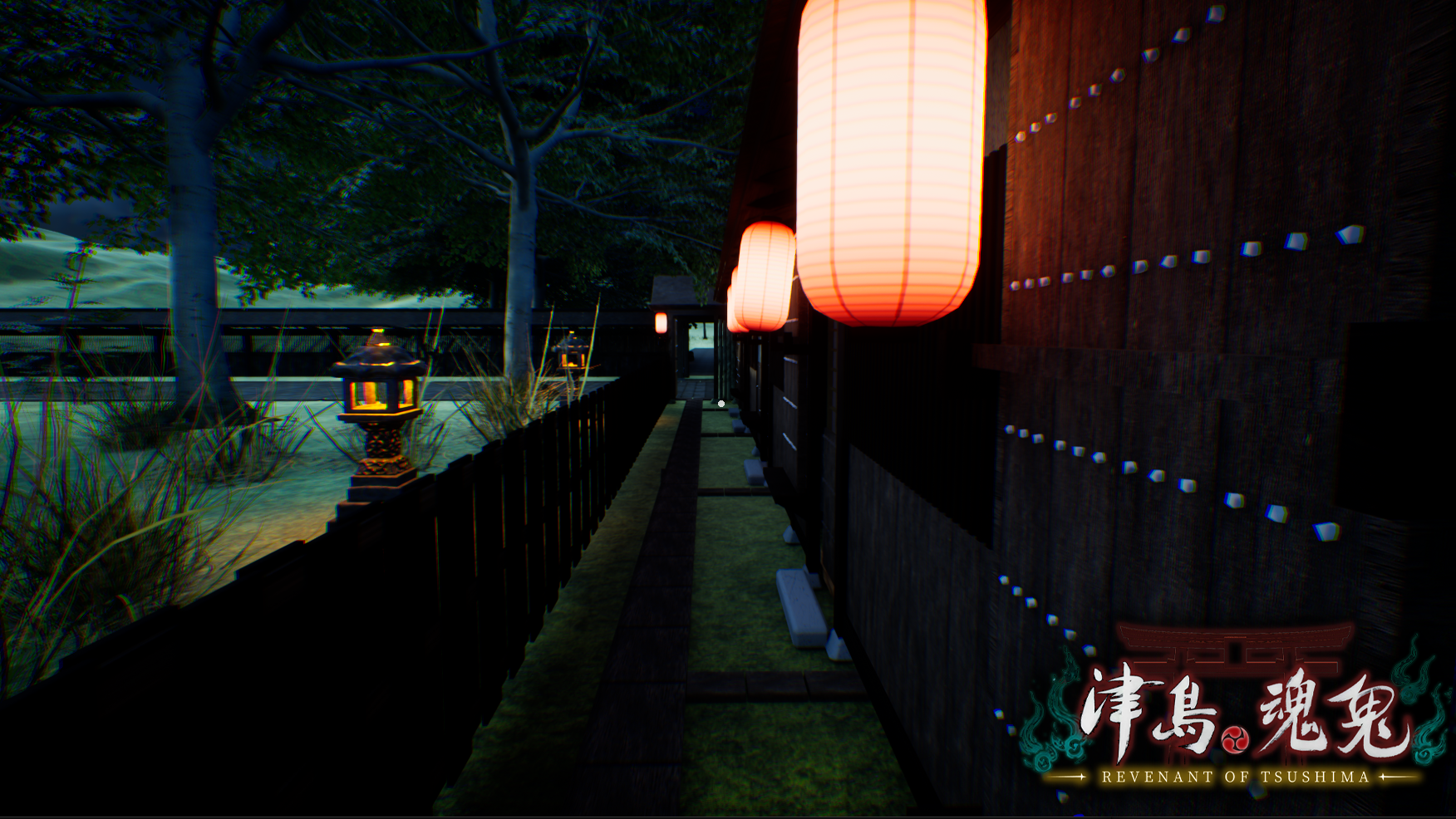
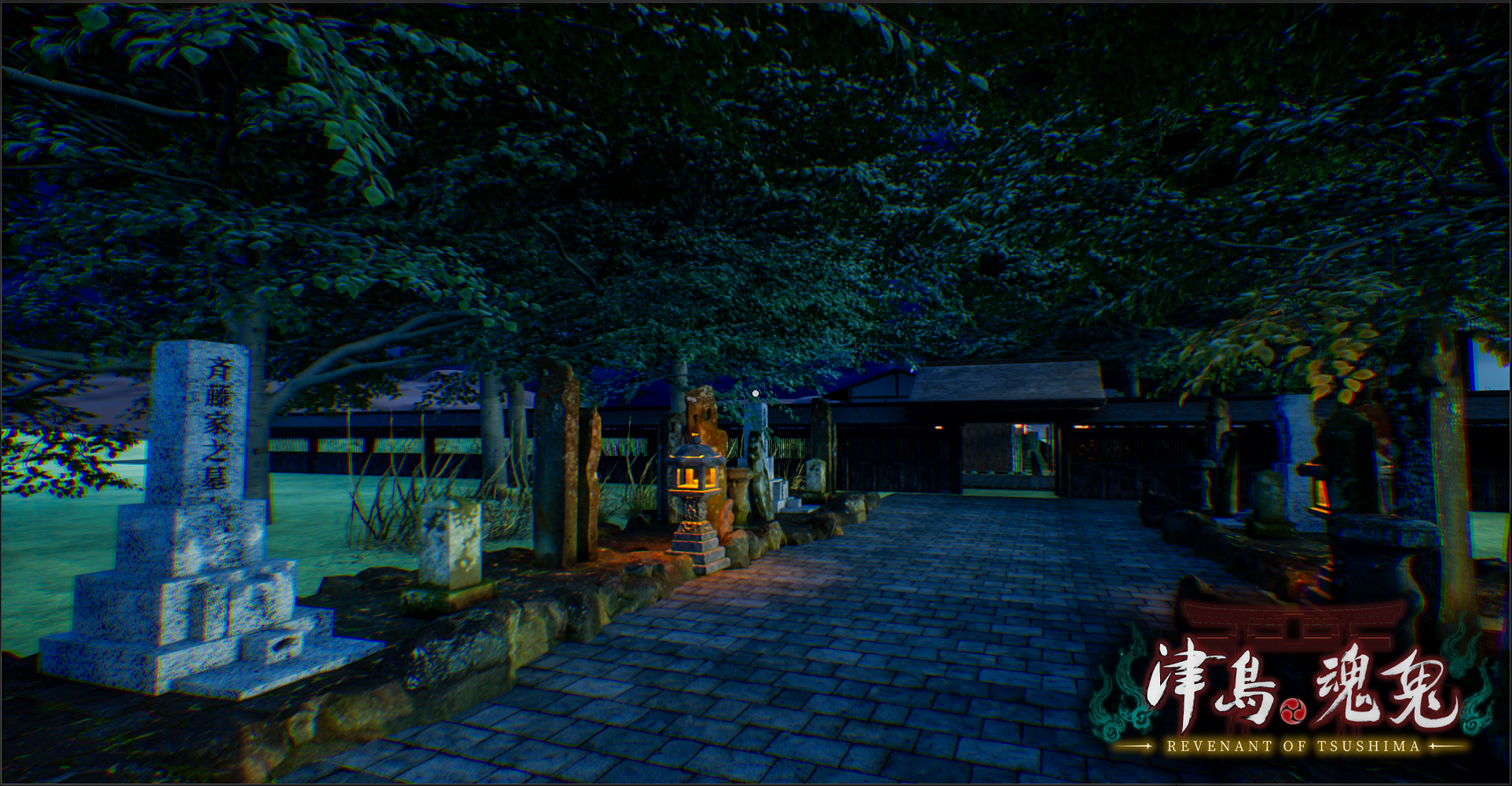
Journey along a crumbling, Edo-inspired Tōkaidō by haunted ox-cart.
Between broken shrines, abandoned villages, mountain roads, and spirit-overlapped spaces, the ox-cart becomes a moving sanctuary for Mewa and Seishi.
See Through Ether Sight
Activate Ether Sight to perceive spiritual traces, hidden memories, and unstable presences left behind in the world.
Follow these fragments to uncover the stories of the dead and the truth behind the failed ritual.
Carry the Burden of Repose
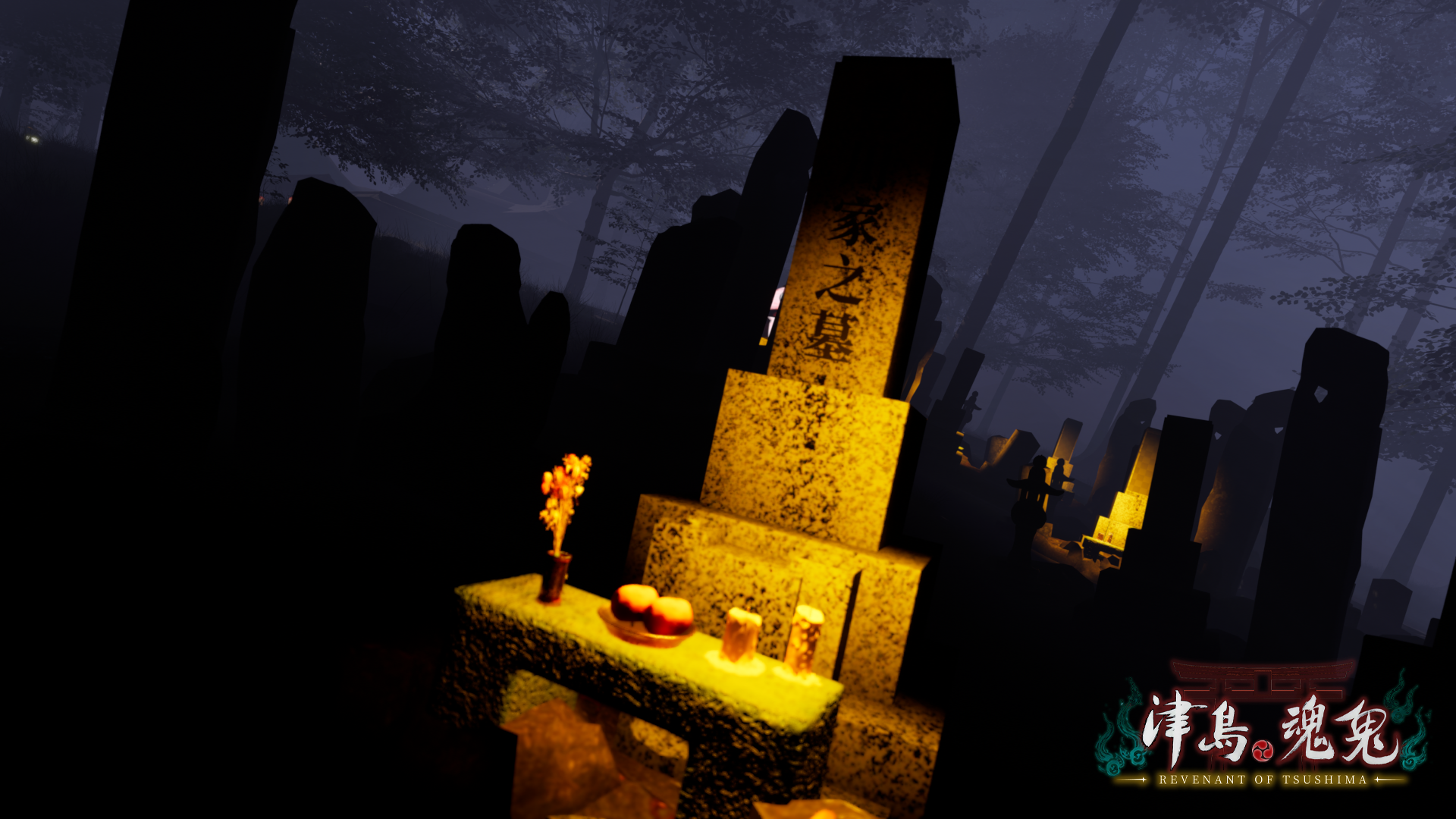
Every spirit guided into an omamori carries a memory, regret, or unfinished prayer.
The number of souls you choose to release affects Mewa’s divine stability, her relationship with Seishi, dream-domain memories, and the path toward the final seal.
World & Setting
A haunted pilgrimage through broken roads, forgotten shrines, and the memories of the dead.
Revenant of Tsushima unfolds along a haunted pilgrimage route inspired by the old roads, shrines, mountain passes, and coastal landscapes of central Japan.
Guided by a haunted ox-cart, the journey begins with an ancient shrine lineage in Owari Province and moves eastward through broken roads, forgotten villages, sacred mountains, sea-bound boundaries, and places where the living and the dead overlap. At the far end of the pilgrimage lies a final sacred ground in Izu Province, where the last seal and the truth behind the failed ritual await.
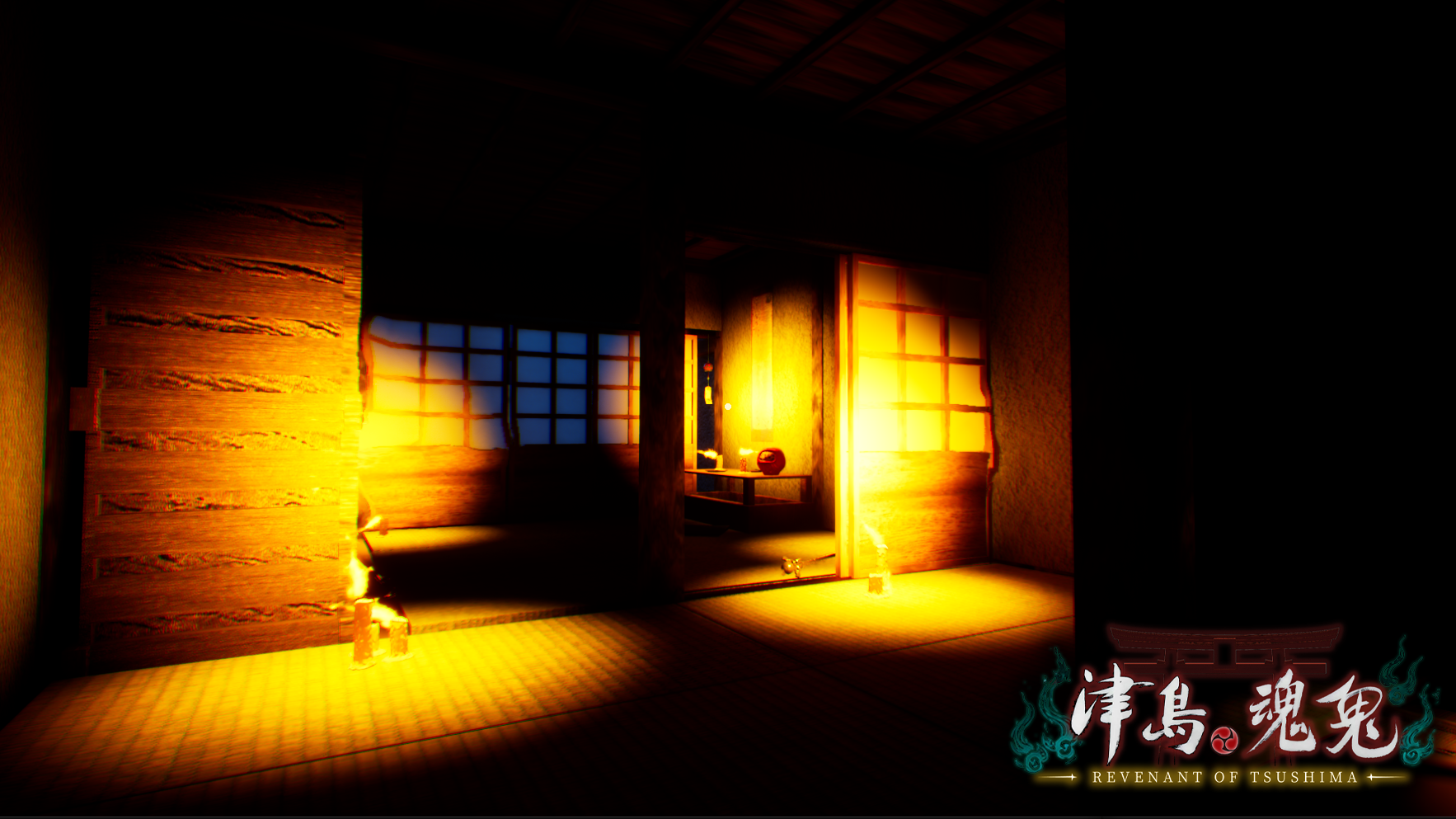
Rather than directly recreating real religious sites, the game reimagines their atmosphere, folklore, and spiritual tension into an original folk-horror world shaped by broken seals, forgotten rituals, and the memories of the dead.
Characters & Voice Direction
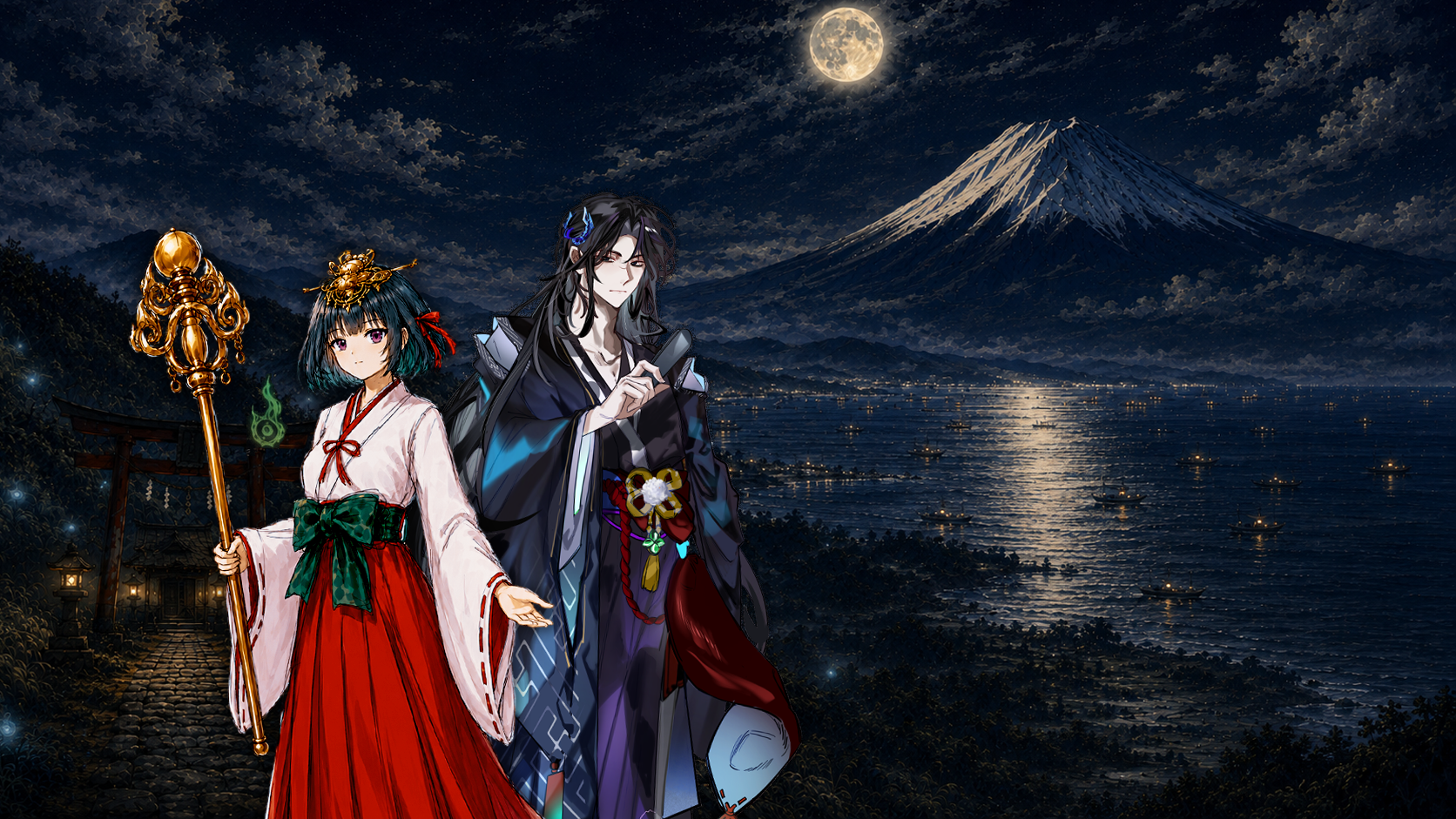
Revenant of Tsushima is built around a dual-core character structure: Tsushima Mewa, a shrine maiden carrying a fractured divine identity, and Tojo Seishi, a calm onmyoji who anchors the journey to the human world.
Their pilgrimage brings them into conflict with spirits that are not simply monsters, but embodiments of trauma, judgment, distance, and disaster.
The voice direction of the project focuses on emotional contrast: sacred performance and human fragility, calm ritual logic and spiritual collapse, refined tragedy and supernatural distortion.
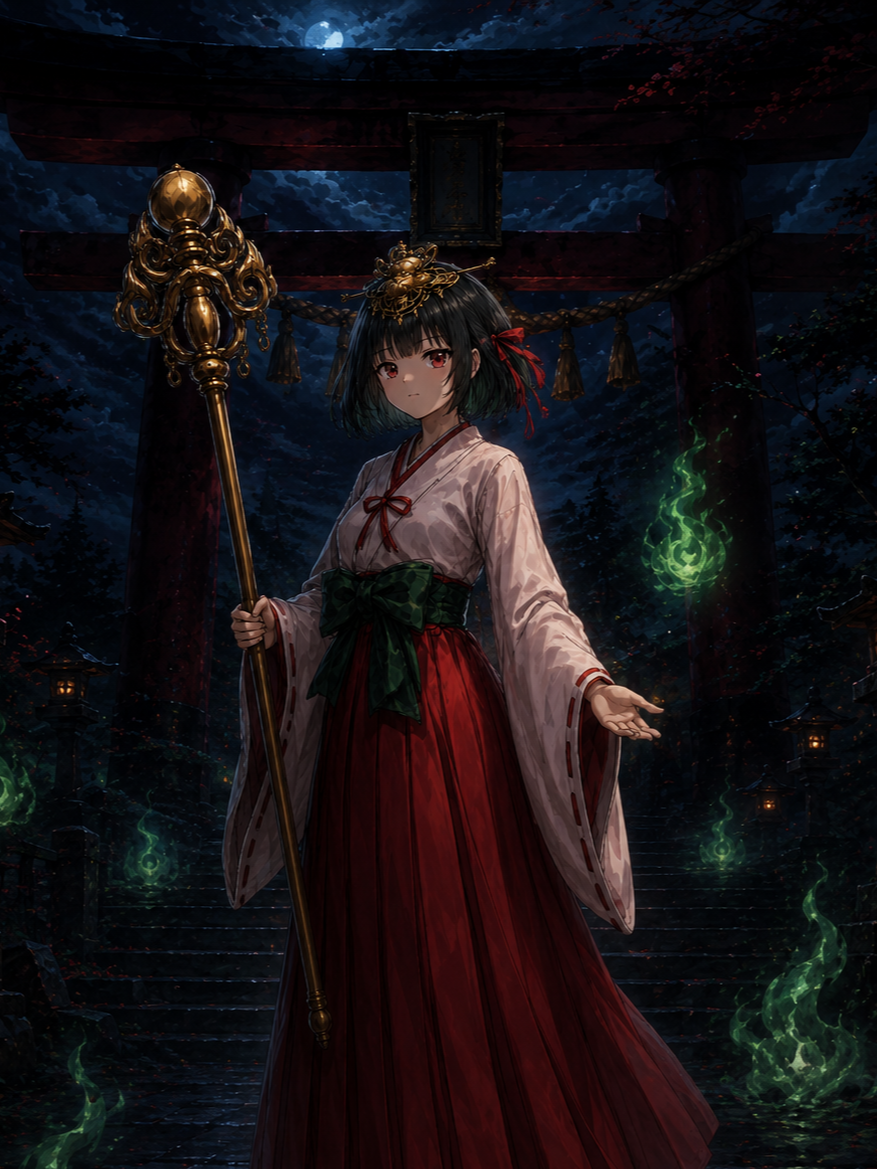
津島真羽 Tsushima Mewa
Fractured Shrine Maiden
Born into a family connected to Tsushima Shrine in Owari Province, Tsushima Mewa is a shrine maiden awakened centuries after a failed grand ritual.
Awakened centuries after a failed grand ritual, she clings to a self-created divine persona to keep herself from collapsing.
As the pilgrimage continues, each ritual and encounter with the forgotten dead slowly draws her back toward the pain, fear, and warmth of being human…..
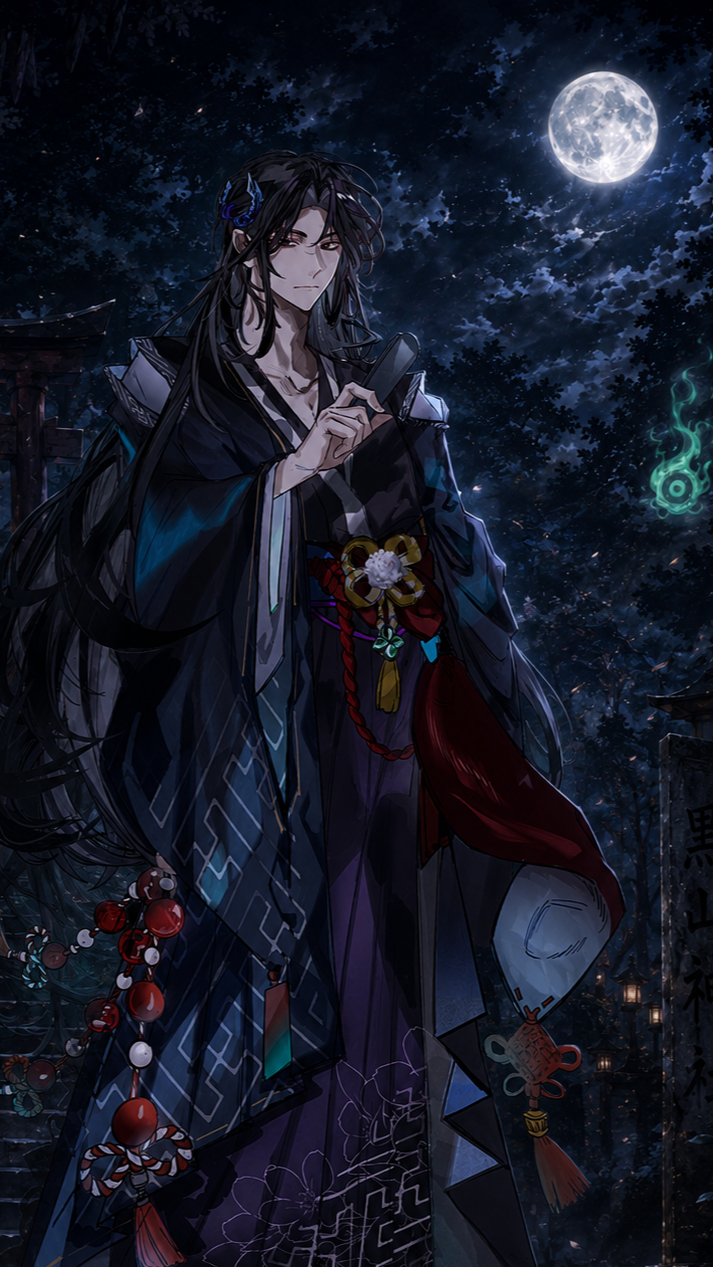
東条誠士 Tōjō Seishi
Forgotten Onmyoji / Ritual Guide
Born into a priestly family in Suntō District, Suruga Province, Seishi was raised among shrine rites, mountain worship, and the spiritual traditions surrounding Fuji, Mishima, and the old eastern roads.
As the second son of his family, he was trained in onmyōdō and ritual support rather than direct succession. Calm, rational, and quietly compassionate, he anchors Mewa’s journey to the human world while carrying the quiet pressure of proving his own place within the spiritual order……
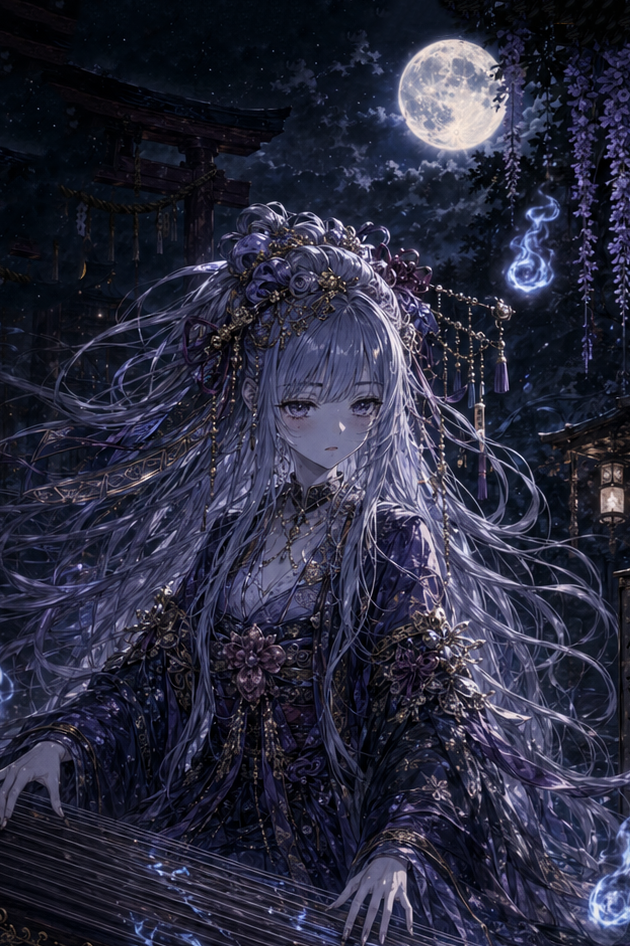
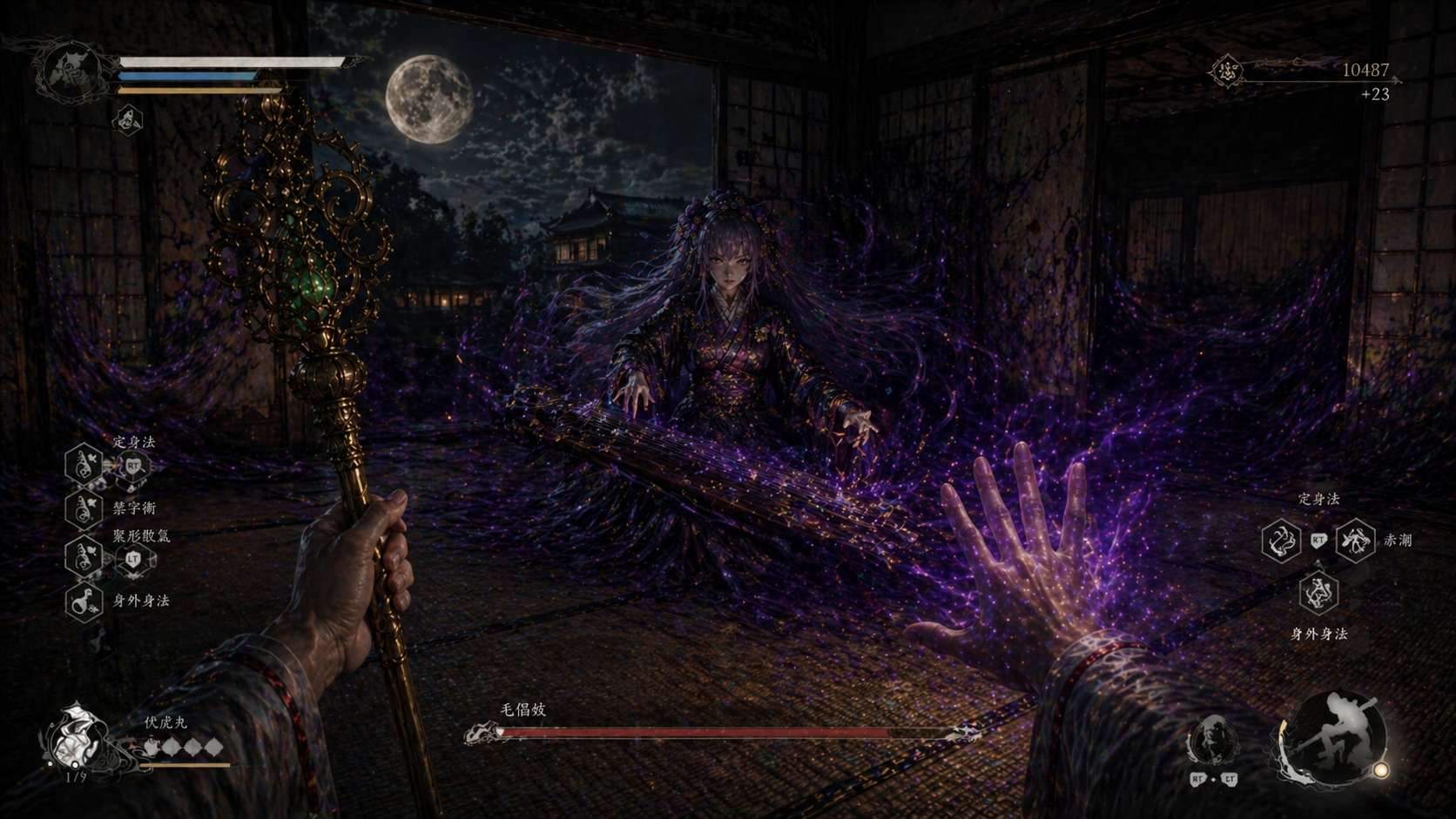
毛倡妓|豊川梢子
Kejoro|Toyokawa Shōko
Ritual Grudge /
Sacrificial Koto Maiden
Once the daughter of a prestigious household in Toyokawa Village, Shōko was chosen as a koto maiden for a sacred rite that was never meant to save her.
Betrayed by her family and consumed by the violence of the ritual system, she became Kejoro: a spirit of broken dignity, distorted beauty, and ceremonial resentment.
What remains is not simply a ghost, but a regional tragedy given form.
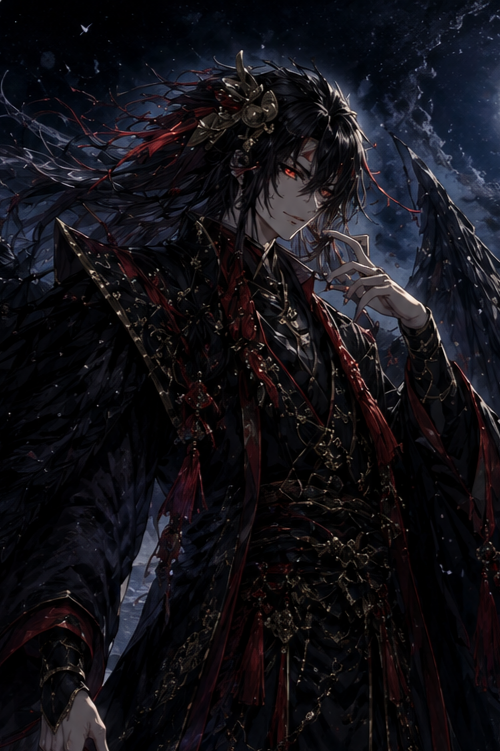
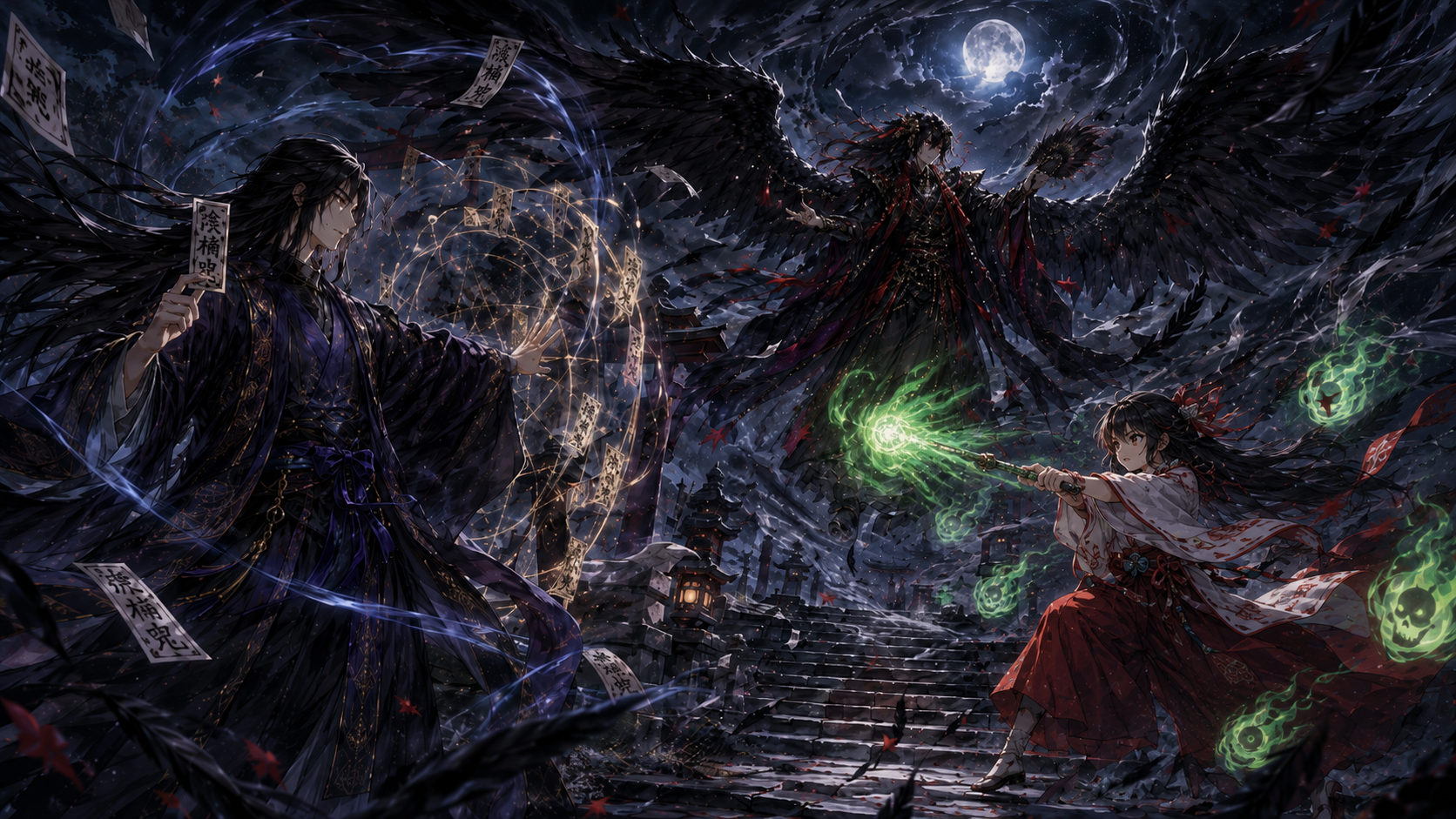
大天狗 The Great Tengu
Mountain Judge /
High-Ranking Spirit
A beautiful and dangerous judge of the mountain pass, the Great Tengu is not a beast of brute force, but a high-ranking presence of pride, asceticism, and divine trial.
He watches over the old roads as if weighing the souls that pass through them, testing whether Mewa’s purification is an act of mercy—or the beginning of a new godhood.
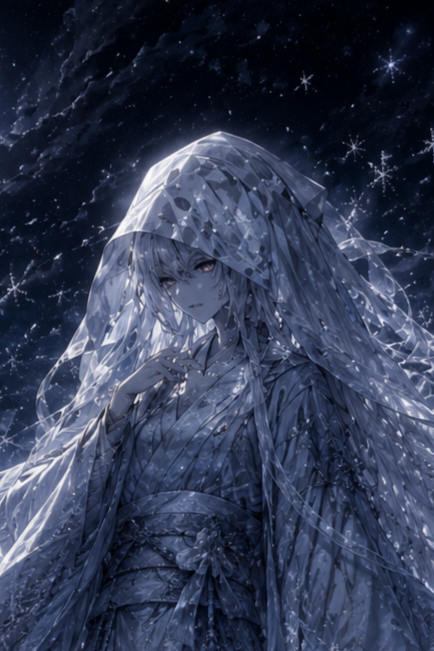
雪女 Yuki-onna
Frozen Memory /
Inhuman Silence
Appearing in the Fuji chapter, Yuki-onna embodies distance, stillness, and the cold suspension of memory.
She does not dominate through violence alone, but through silence, emotional emptiness, and the slow terror of becoming unable to feel warmth, grief, or time.
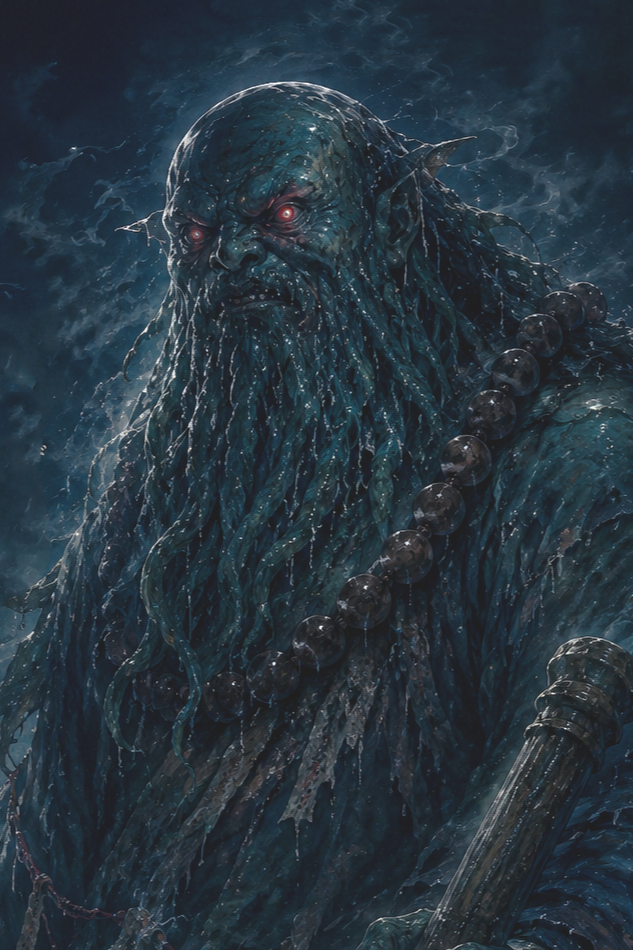
海坊主 Umibōzu
Sea-Bound Disaster /
The Name Beneath the Bay
An ancient maritime dread rising from the fog of Suruga Bay.
Umibōzu is not simply a creature of the sea, but the pressure of the deep itself: the fear of black water, sudden disappearance, and lives carried away before they could be mourned.
Around Numazu Port, its presence turns everyday coastal life into ritual horror. Fishing boats, harbor lights, offerings, and broken piers become signs of a world built too close to something vast and unknowable.
It does not rage like a beast. It waits like the sea.
Media
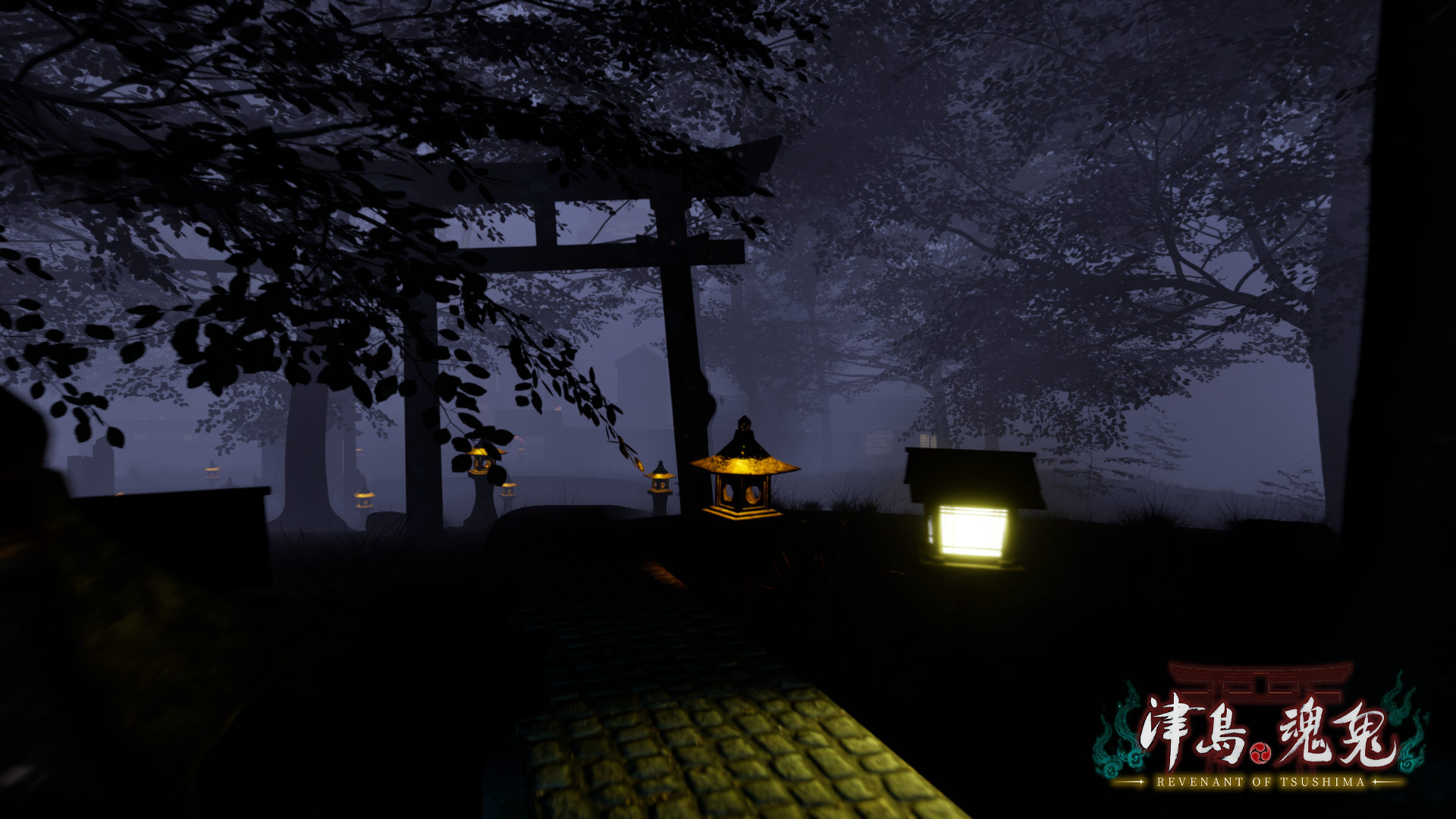
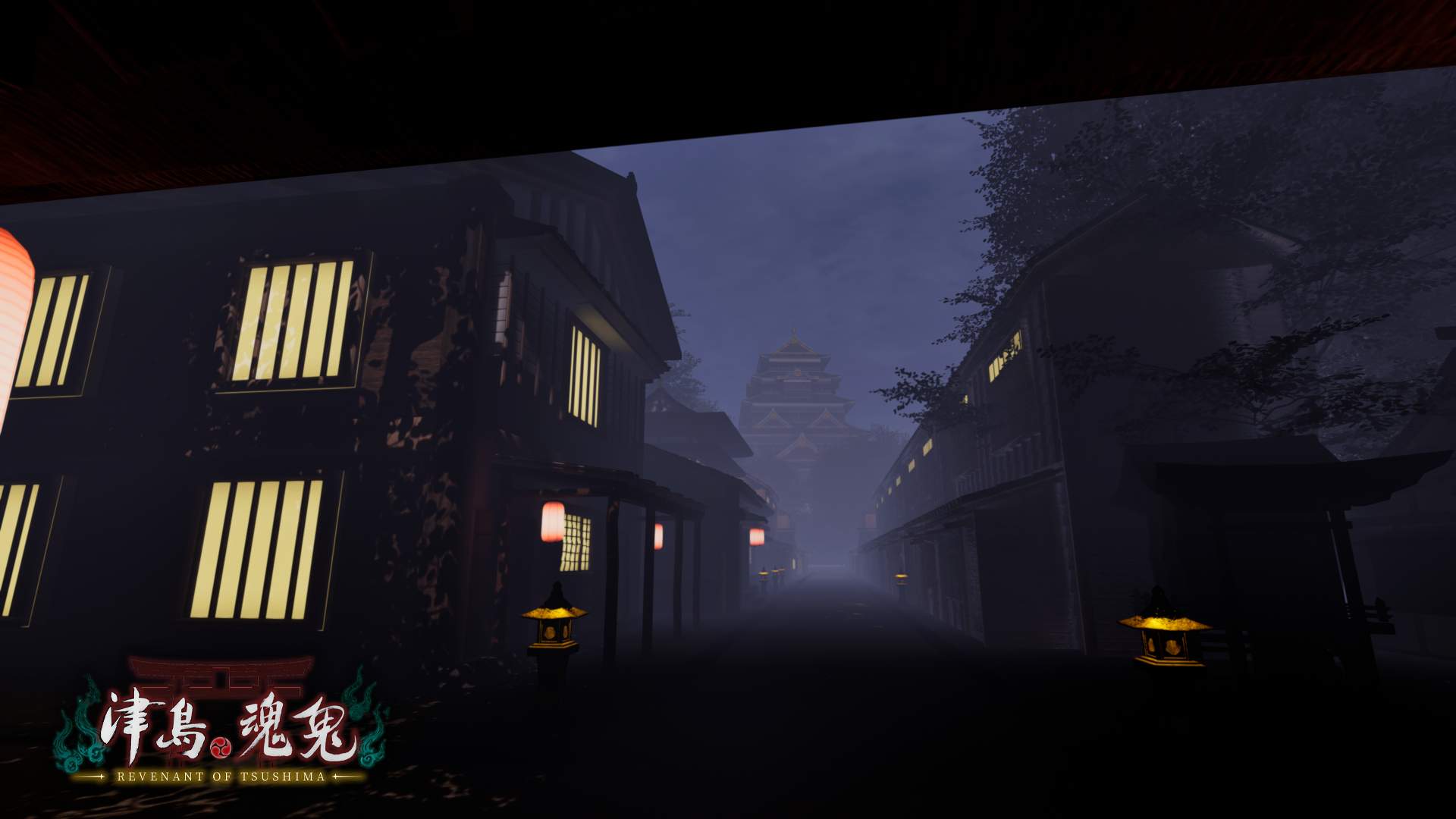
Current Status
Revenant of Tsushima is currently in early-stage development.
Current focus:
Core ghost-capturing prototype
Ox-cart traversal and shrine ritual loop
First shrine area and worldbuilding foundation
Character direction and narrative structure
Visual atmosphere testing
Target milestones:
Public vertical slice demo: planned for Q2 2026
Full release window: 2027–2028, subject to production scope and team growth
Developed by Aurora Studio, a Hong Kong-based independent game studio.
Links
Official Website: https://revenant-tsushima.aurora-studio.org/
Recruitment / Collaboration: careers@aurora-studio.org
Future develop blogs and Social Media coming soon…..
Wishlist / Support
We’re a tiny team trying to make something that feels sacred and terrifying at the same time. Your wishlist, retweet, or even just a kind word keeps the lanterns burning. =D
Let’s walk the forgotten Tōkaidō together—before the last seal breaks.
Join the Project
Aurora Studio is currently looking for collaborators to help shape Revenant of Tsushima from its early development stage.
We welcome freelance, part-time, and project-based collaboration in UE5 development, 3D environment art, narrative design, UI/graphic design, sound design, and community/PR support.
For collaboration inquiries, please contact: careers@aurora-studio.org